Broccoli
Whole-plant reference. Florets, stalks, and leaves — all three. The "discard the stem" instinct is American grocery-store habit, not culinary truth. This Bib corrects that.
Identity
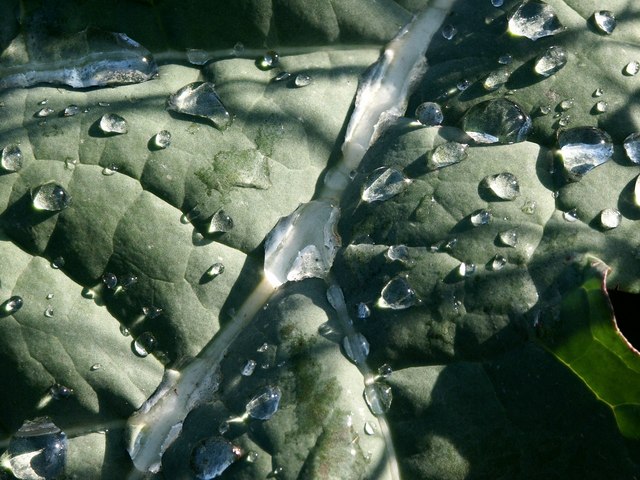
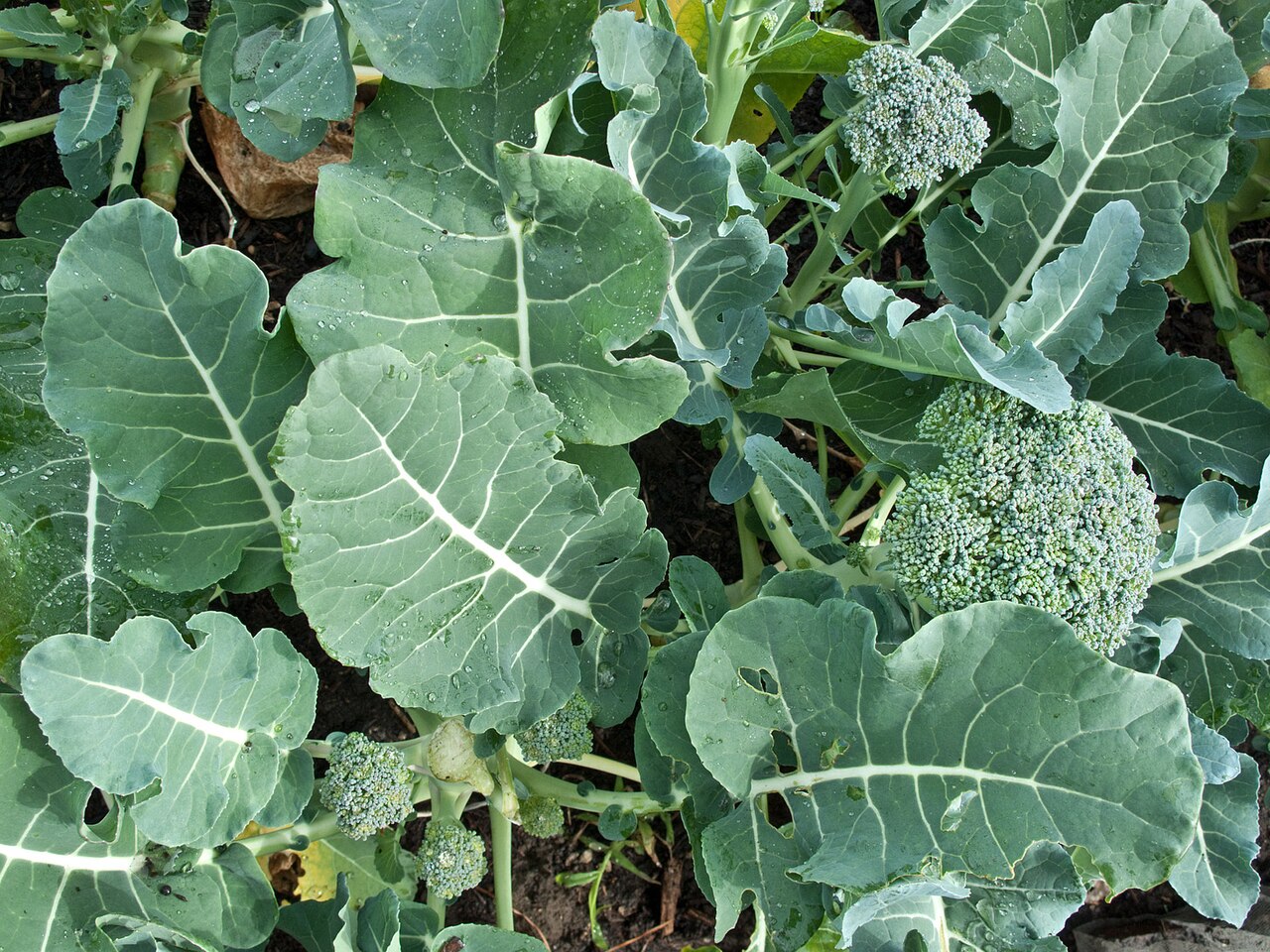
Broccoli is Brassica oleracea var. italica. Same species — same single domesticated ancestor — as cauliflower, cabbage, kale, kohlrabi, Brussels sprouts, and romanesco. What differ between these are which part of the plant was selected for: in broccoli's case, the immature flower head (a dense cluster of as-yet-unopened flower buds) and the thick fleshy stalk. In kale, the leaf. In kohlrabi, the swollen stem base.
This family connection matters for cooking. The sulphurous, slightly bitter edge that broccoli shares with its relatives comes from glucosinolates — sulfur-containing compounds that give the entire Brassicaceae family its characteristic flavor. When glucosinolates are broken down by heat (especially long, moist heat), they release volatile sulfur compounds: the smell of overcooked broccoli. Managed heat = managed glucosinolate breakdown = flavor in the correct range.
Relatives Relevant to This Kitchen
- Gai lan (芥蘭) — Chinese broccoli. Different leaf shape, smaller looser florets, same flavor logic. Stalk is the star.
- Broccolini — a Calabrese × gai lan hybrid. Thinner stalks, smaller florets, milder and sweeter. Behaves more like gai lan.
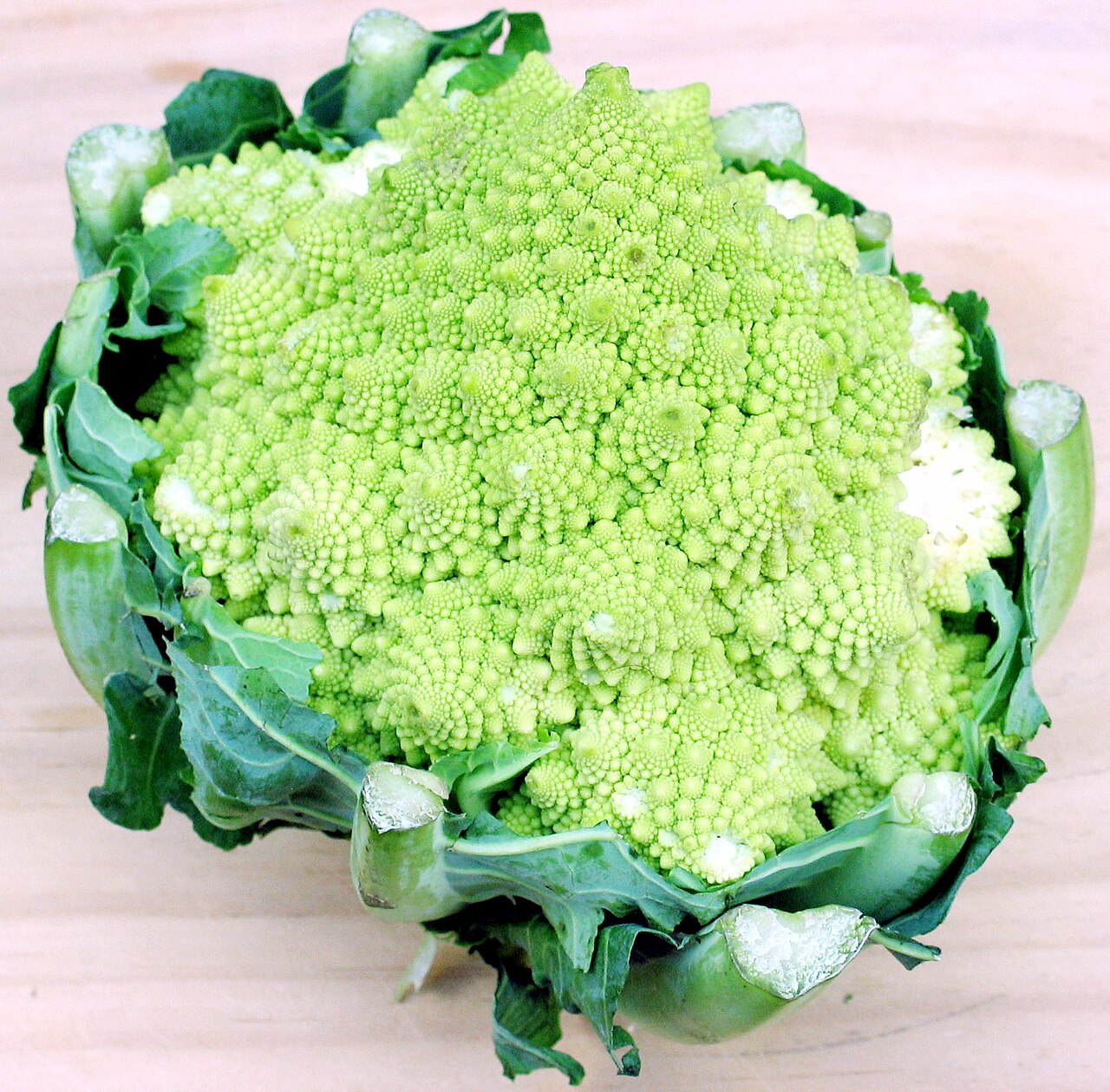
- Romanesco — fractal spiral florets, milder and nuttier. Treated identically; slightly more visually dramatic.
- Cauliflower — same species, different plant architecture. Whole-head roasting applies identically.
The Three Parts
1 · Florets
The cluster of immature flower buds. Dense, tightly packed, high surface area.
Best methods: high-heat roast (edge char + sweet interior), stir-fry, blanch + ice bath for cold dishes, raw shaved.
What to avoid: boiling until limp. The floret rewards speed and dry heat.
The underrated move: take the roast further than you think. The correct moment is past the first signs of browning — when the edges go dark and genuinely charred. That char is the flavor.
2 · Stalks
The thick central stem and secondary branches. Almost always wasted. This is a culinary crime.
Anatomy: two fibrous layers over a sweet, pale inner core. Peel with a vegetable peeler, two passes minimum. The first removes the outer skin; the second gets the residual fiber. What remains is sweeter than the florets.
Best methods: slow-roast (caramelizes like parsnip), raw ribbons (peeler ribbons as "pasta"), soup (the stalk is the reason cream of broccoli is good), pickling.
The underrated move: peel into long ribbons with the peeler. Use as raw "noodles" — texture between cucumber and zucchini, sweeter, firmer.
3 · Leaves
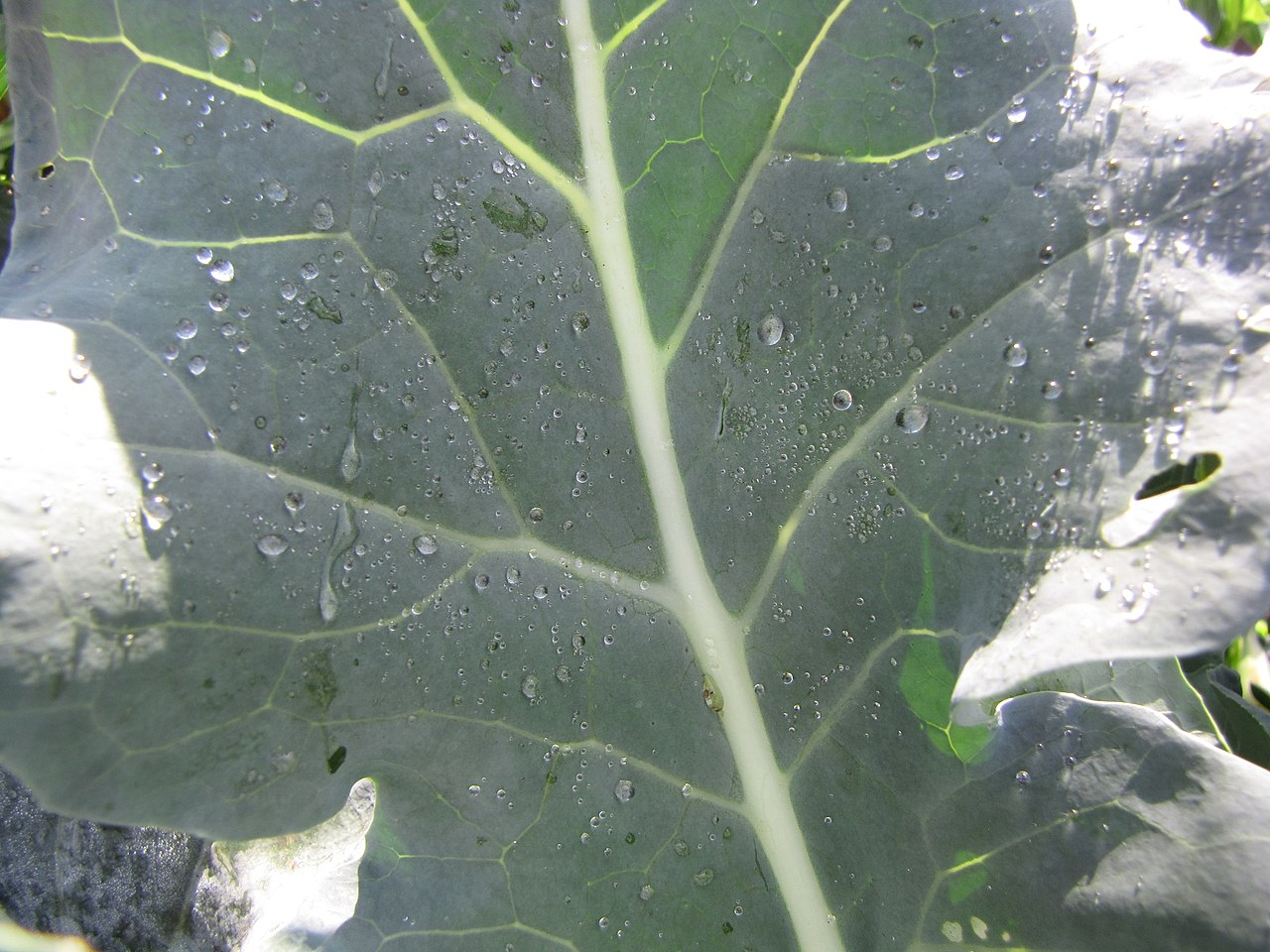
The large outer leaves stripped by US processing. In highland Guatemala, they come attached. This is a gift.
Large outer leaves: cook like chard or young kale — milder, slightly sweeter. Sauté 2–3 min with garlic, leaf chips, pesto base, freeze for soup.
Young inner leaves: tender enough to eat raw. Slightly peppery. Salads, tostadas, anywhere a mild peppery leaf fits.
The underrated move: broccoli leaf pesto. Blanch, squeeze dry, blend with garlic, nuts, olive oil. Brilliant green, deep savory flavor.
Methods
1 · High-Heat Roast (the Modern Default)
220–230°C. Single layer — not a suggestion, a requirement. Crowding turns the oven into a steamer. Generous oil: the floret structure is porous, it will absorb. Salt. Optional: garlic cloves tossed in, lemon zest, chili flake. Roast 18–25 min. Start checking at 18.
2 · Cast Iron Char / Wok Hei
Blisteringly hot dry cast iron or a wok over highest flame. Cut florets into flat-surfaced pieces (halved through the stem, not just broken off) — they need a flat face for searing contact. Lay flat, don't stir for 60–90 sec. Flip. The contact face chars. Finish with garlic, ginger, chili, soy or black bean paste. Very small batches — overcrowding is the enemy.
3 · Steam
4–6 min for florets, 6–8 min for cut stalks, over simmering water in a basket. Defensible for advance prep: steam 80% done, cool, stir-fry later. If serving directly from steam, season aggressively — salt, lemon, fat, garlic minimum.
4 · Blanch + Ice Bath
Rolling boil, unsalted water. Florets: 90 seconds. Stalks cut: 2 min. Into ice water immediately. Drain and dry completely — especially if going to a stir-fry.
5 · Stir-Fry
Don't add raw large florets to a hot wok. Pre-blanch (90 sec, ice bath, drain completely dry — pat with towel if needed) or cut florets very small. Wet broccoli in a hot wok = steam, not sear. Sequence: hot wok, oil, aromatics 15 sec, stalk pieces first (they take longer), florets in, 2–3 min high heat, sauce, 30 sec more. Off heat.
6 · Whole-Roast
Leave the head whole. Trim outer leaves (save them). Score the core of the stem deeply in a cross pattern. Optional: submerge in heavily salted boiling water 5 min to start the interior cooking. Brush thoroughly with a spice paste (miso + butter, or harissa + olive oil, or tahini + garlic + lemon). Roast at 200°C, covered with foil for 30–40 min, uncovered for 15–20 min until deeply browned. Skewer test: tender all the way to the core. Carve at the table.
7 · Slow-Roast the Stalks (the Underrated Move)
Peel stalks fully (two passes with the peeler — see The Three Parts). Dice into 1–2cm cubes. Toss with oil, salt, pepper. Roast at 200°C for 30–40 min, shaking the pan once mid-cook. The inner core caramelizes deeply: sweeter and more complex than roasted florets, with a texture closer to roasted parsnip than vegetable.
8 · Raw Applications
Shaved stalks for slaw: mandoline or peeler, paper-thin slices of inner stalk. Dress with any vinaigrette. Crunchy, mildly sweet, holds for hours without wilting. Better structural integrity than leafy slaw.
Broccoli "tabbouleh" / riced florets: pulse raw florets in food processor until grain-sized. Don't over-process into paste. Dress with lemon, olive oil, fresh herbs, salt. Texture mimics couscous without grain. Serve raw.
9 · Soup / Cream of Broccoli
The stalk is the unsung hero here too. Soup made with mostly peeled stalks and a small number of florets (for color) is sweeter, silkier, and more complex than floret-only soup. Sauté onion and garlic, add peeled diced stalks, 5 min, add broth, simmer 15–20 min until tender, add a few florets last 5 min for color. Blend. Season with salt, white pepper, lemon. Finish with cream, crema, or coconut milk — or nothing. The texture holds without dairy.
10 · Fermentation / Quick-Pickle
Broccoli stem pickle (Korean/Chinese pao cai style): peel stalks, cut into spears or rounds, salt briefly (20 min), rinse, pack into a jar with rice vinegar, sugar, garlic, chili, optional ginger. Ready in 24 hours. Refrigerator-stable for weeks. Texture stays genuinely crisp.
Lacto-fermented broccoli florets: pack tightly in a jar with 2% salt brine. Weight down. 3–5 days at room temperature. Develops sour, complex flavor; florets soften slightly but hold shape. Serve as condiment.
Innovative / Out-of-the-Box Uses
Broccoli Rice / Couscous
Pulsed raw florets (and tender inner stalk pieces) in a food processor until grain-sized. Stir-fry with garlic and oil (2 min, high heat — it cooks fast), use in place of rice in grain bowls, dress as tabbouleh, or serve raw as salad base. Not a substitute for rice — its own thing with its own texture and character.
Stalk Ribbons as Raw "Pasta"
Long peeler ribbons of the inner stalk. Toss with olive oil, lemon, salt, parmesan substitute (nutritional yeast, aged local cheese, or salt-cured yolk — see egg cured eggs section). The texture is between wide zucchini ribbons and thin cucumber, firmer and sweeter. Serve immediately.
Broccoli Stem Horseradish-Adjacent Grate
Roughly grated raw inner stem on a box grater. The raw stalk has a peppery-mineral bite — weaker than horseradish but in the same direction. Work it into a dressing (grated stalk + lemon + yogurt + olive oil) as an accent. Interesting under roasted vegetables or on flatbread.
Broccoli Leaf Chips
Large outer leaves, stems trimmed, torn into palm-sized pieces. Toss with oil and salt. Low oven (150°C), 15–20 min, checking every 5 min. Crisps like kale chips but milder and slightly sweeter — more forgiving, doesn't go bitter as quickly.
Broccoli Leaf Pesto
Blanch leaves (30 sec, ice bath, squeeze very dry). Blend with garlic, toasted almonds or walnuts, olive oil, lemon juice, salt, nutritional yeast or parmesan substitute. Color: brilliant green. Flavor: distinctly brassica but refined — less sharp than raw broccoli, deeper than basil pesto. Refrigerates 5 days, freezes well.
Smoked Broccoli
Cold or hot smoked florets (5–10 min in a stovetop smoker or on a covered grill over indirect heat with wood chips). The sulfur character of broccoli plays oddly well with smoke — it reads as savory and deep rather than sulfurous. Use as salad components, garnish, or in grain bowls.
Broccoli "Caesar" with Raw Shaved Stalks
Anchovy-free Caesar dressing: capers + miso + lemon + garlic + mustard + olive oil + yogurt. Toss with paper-thin raw stalk slices and small raw florets. The stalk's crunch is the structural backbone — this is where it outperforms romaine. Parmesan substitute (nutritional yeast) and toasted breadcrumbs or almonds for crunch.
Broccoli Stem Broth
Accumulate peels and cores (the fibrous outer layers removed during prep) in a freezer bag. When full: simmer 45 min with onion skins, garlic ends, dried mushroom, peppercorns. Strain. Mild, slightly sweet, vegetable broth with a distinct savory depth from the glucosinolates. Better than plain water for risotto, grains, or blanching vegetables. Waste-first kitchen logic.
Charred Broccoli with Miso / Tahini / Gochujang Glaze
The modern restaurant standard for good reason. High-heat roast until genuinely charred (method 1, maximum settings). Toss immediately with glaze while hot so it coats and partially caramelizes.
- Miso glaze: white miso + rice vinegar + sesame oil + honey substitute.
- Tahini glaze: tahini + lemon + garlic + water to thin.
- Gochujang glaze: gochujang + soy + rice vinegar + sesame.
Pickled Broccoli Stem
Daikon-substitute texture. Peel stalks, cut into matchsticks or thin coins. Brine: rice vinegar + sugar + salt + water, bring to boil, pour over. Ready in 2 hours, excellent for days. Crisp, acidic, slightly peppery. Works on tacos, bibimbap, alongside fried things.
Broccoli Stem "Fries"
Peel stalks, cut into finger-length batons. Toss with oil, salt, optional garlic powder and smoked paprika. High-heat roast at 220°C for 20–25 min. Golden, slightly crisp exterior, sweet and tender inside. They behave more like parsnip fries than zucchini fries — better structural integrity, more sweetness. Serve with aioli, tahini, or any dipping sauce.
Whole Roasted Broccoli with Tahini-Yogurt-Pomegranate
Whole head, deep roast (method 6). At service: flood with tahini-yogurt sauce (equal parts tahini and labneh or thick yogurt, thinned with lemon + water + salt), scatter pomegranate seeds and toasted pine nuts or almonds, fresh mint and parsley. Carve at the table. Centerpiece dish.
Frozen Riced Broccoli Stalks for Soup Base
Peel and rice (food processor) stalks. Blanch 60 sec, ice bath, squeeze dry, pack flat in zip bags, freeze. Pull from freezer directly into soup at the blending stage — adds body, sweetness, and nutrition without a distinct flavor signature. Meal prep move that eliminates waste and builds a pantry staple from what would otherwise be discarded.
Cooking Failure Modes
Pairings
The foundational broccoli flavor triad, applicable to nearly every variation: broccoli + garlic + lemon + chili. Almost every successful preparation orbits this.
- Umami without meat: soy, miso, capers + their brine, dried mushroom, nutritional yeast, douchi (Chinese fermented black beans)
- Fat: tahini, sesame oil, brown butter, olive oil, good local crema
- Heat: chili flake, gochujang, fresh green chili, black pepper
- Acid: lemon juice, lemon zest, rice vinegar, any light vinegar
- Sweetness to balance: small amount of honey substitute, mirin, piloncillo in glazes
- Crunch: almonds (toasted), sesame seeds, breadcrumbs, crispy shallots
- Cheese logic: nutritional yeast, aged local hard cheese, salt-cured yolk (see egg)
Sourcing at Atitlán
Available year-round in highland markets — Sololá department produces heavily. Broccoli is a cool-climate crop and thrives at 1600m+. The Guatemalan highlands are appropriate terroir.
- San Marcos market (Sat + some Wed): occasional. Worth asking vendors which day it reliably comes in.
- San Pedro market: more reliable. Available most market days.
- Panajachel: reliable. Supermarkets carry it when local markets don't.
- Sololá Friday market: best quality and price. Most likely source for head-on broccoli with leaves intact.
Size note: Guatemalan highland broccoli tends to run smaller and tighter than US grocery broccoli. Smaller heads often have proportionally thicker stalks — a bonus. The florets are denser and more intensely flavored.
Cross-References with Egg
Soft Scramble + Broccoli
Fold blanched florets or sautéed broccoli leaves into French or American scrambled eggs at the last 30 seconds. The egg sets around the vegetable; the broccoli character comes through cleanly without overwhelming.
Frittata with Slow-Roasted Stem Cubes
Use slow-roasted stalk cubes (method 7) as the main vegetable component in a frittata. The caramelized sweetness of the stalk cubes is a better frittata component than raw florets — they don't release water and they have more flavor. See egg — Shirred and Baked section.
Tortilla Española with Broccoli
Same technique as the potato original: poach peeled stalk slices in olive oil on very low heat (15–20 min, very low temp) until tender. Drain, fold into beaten eggs, cook. The stalk substitutes potato directly. Result is denser and slightly bitter-sweet — different but coherent. No need to blanch first if the poach is thorough.
Chawanmushi with Broccoli Floret
A single small blanched floret placed in the bottom of the ramekin before pouring the egg-dashi mixture. It steams inside the custard and creates a visual reveal when you break the smooth surface. The floret must be pre-blanched — raw would steam unevenly and release water into the custard. See egg — Custard Family.
Key Numbers
| Part | Prep | Method | Temp | Time |
|---|---|---|---|---|
| Florets | Cut into even pieces | High-heat roast | 220–230°C | 18–25 min |
| Florets | Whole or broken | Blanch | Rolling boil | 90 sec → ice bath |
| Florets | Flat-faced halves | Cast iron char | Highest | 60–90 sec per side |
| Florets | Pulsed in processor | Raw (riced) | — | Serve immediately or stir-fry 2 min |
| Stalks (inner core) | 1–2cm dice, fully peeled | Slow-roast | 200°C | 30–40 min |
| Stalks (inner core) | Peeler ribbons | Raw | — | Serve within 30 min |
| Stalks (inner core) | Rounds or matchstick | Quick-pickle | Boiling brine | Ready 2 hr, fridge weeks |
| Stalks (finger batons) | Peeled, oiled | "Fries" roast | 220°C | 20–25 min |
| Leaves (large) | Torn, stems removed | Chip (low oven) | 150°C | 15–20 min, check every 5 |
| Leaves (large) | Whole | Sauté with garlic | Medium-high | 2–3 min |
| Leaves (blanched) | Squeezed very dry | Pesto (blend) | — | 5 days fridge / freeze |
| Whole head | Scored stem | Whole-roast | 200°C | 30–40 min covered + 15–20 min uncovered |
Evolution Log
- v0.1 · 2026-05-12 — Initial build with leaves/stalks/innovative emphasis per R's brief. Whole-plant treatment correcting the florets-only convention. Three-part structure (florets/stalks/leaves), 10 methods, 13 innovative applications, failure modes, pairings, key numbers table, Atitlán sourcing. No prior berzio entries found — this is the first broccoli document in the system. HTML render added same day.