Rice Noodle
Working reference. Methods, mechanisms, hydration science, use families, tricks. Not a recipe book — Berzio holds the recipes. This is the why behind the technique.
Identity
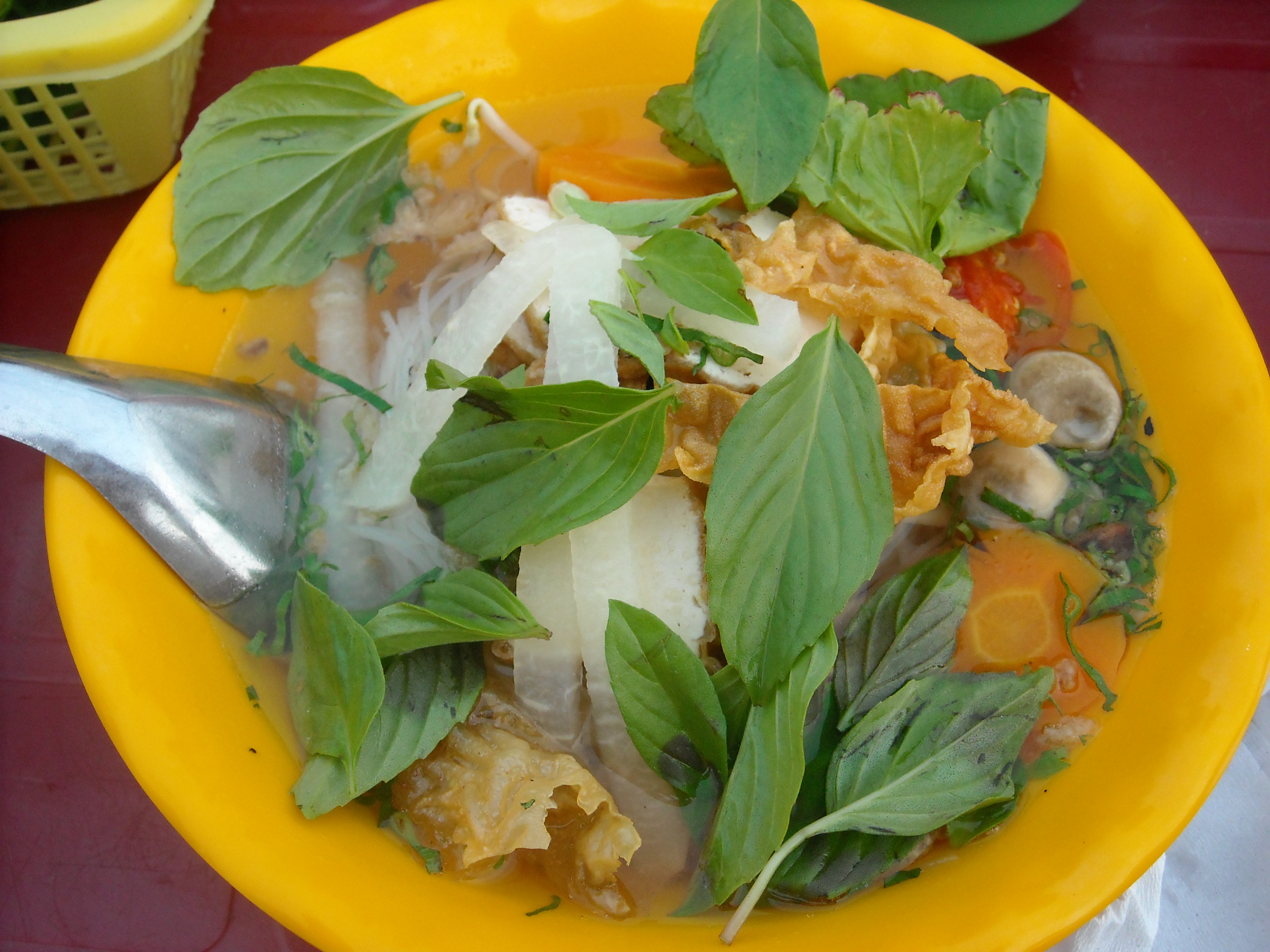
Rice noodles are starch noodles, not gluten noodles. Their structure comes from rice starch gelatinizing under heat or hydration — no protein network, no elasticity reserve. This is the entire reason they behave differently from wheat pasta and why they fail in wheat-pasta ways (too much boiling = paste, no rebound). They are not forgiving. They punish inattention. They reward restraint.
The Four Types
Understanding which noodle you have determines the entire approach. Hydration time, method tolerance, and use differ significantly.
1 · Rice Vermicelli
mai fun · bún · sen mee · mihun
Dried, wire-thin (1–2mm). Milky white dry, translucent cooked. High surface-area-to-mass ratio — hydrates fast, overcooks fast.
Best for: bún chả, gỏi cuốn, stir-fried mihun, light soups.
Not for: Pad Thai (wrong texture), heavy long-sit broths.
2 · Flat Dried Rice Noodles
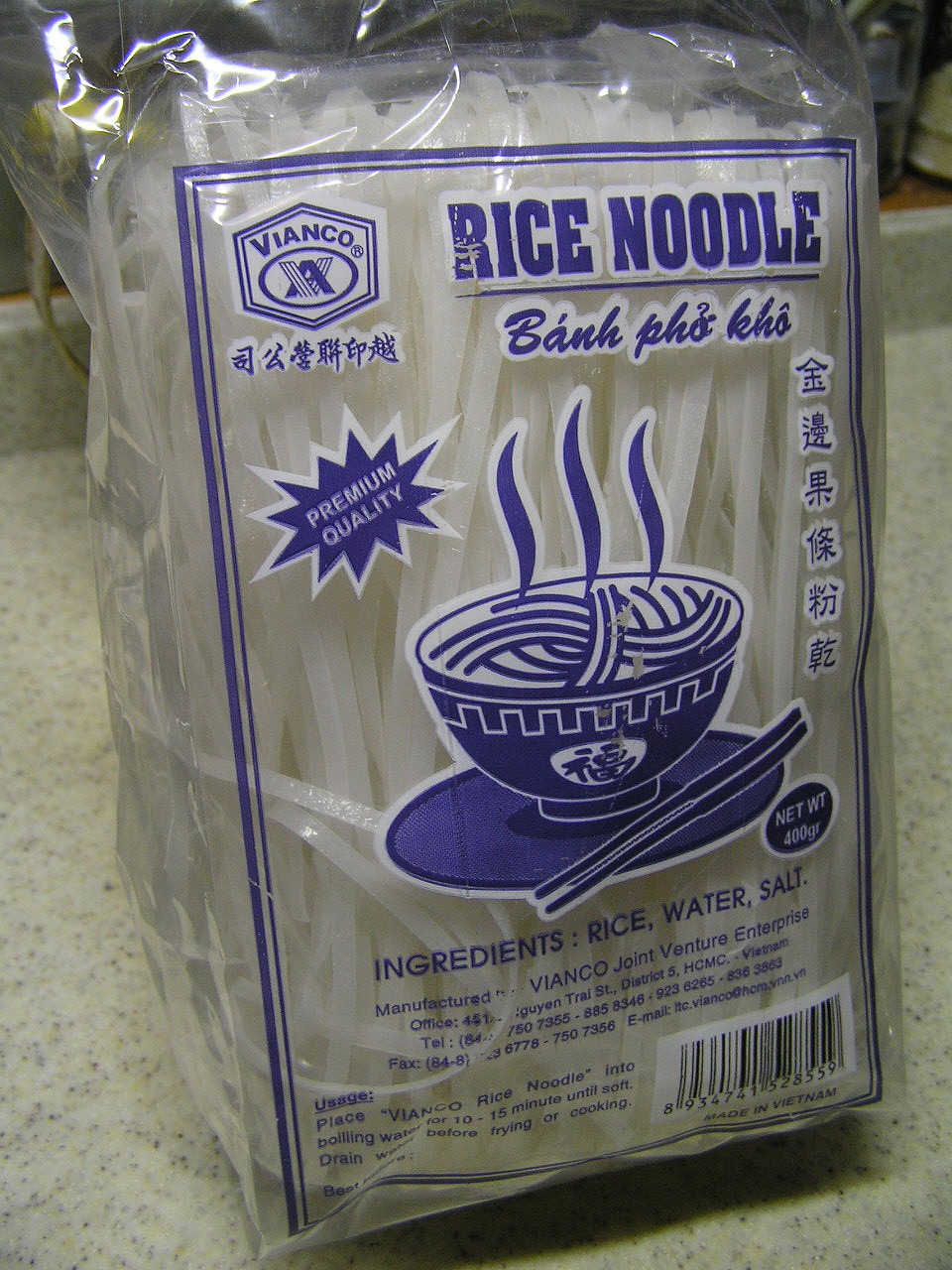
bánh phở · sen lek (3mm) · sen yai (5–8mm) · kway teow
The Pad Thai noodle. The pho noodle. The laksa noodle. Width determines technique: narrow soaks faster and suits soup; wide holds up to wok heat.
Best for: Pad Thai, phở, drunken noodles, char kway teow, laksa.
3 · Fresh Rice Noodles
ho fun · fresh kway teow · phở tươi
Already cooked. Refrigerated, short shelf life. They don't soak. They don't boil. They heat. Wok 30–60 sec, or 30 sec in broth at service. Unlikely at Atitlán markets — treat as precious when found in GC.
4 · Rice Paper / Bánh Tráng
Same base, different form. Wrapper, not noodle. Brief warm-water dip. See gỏi cuốn (Berzio R72). Different use logic — not covered in depth here.
Hydration Methods
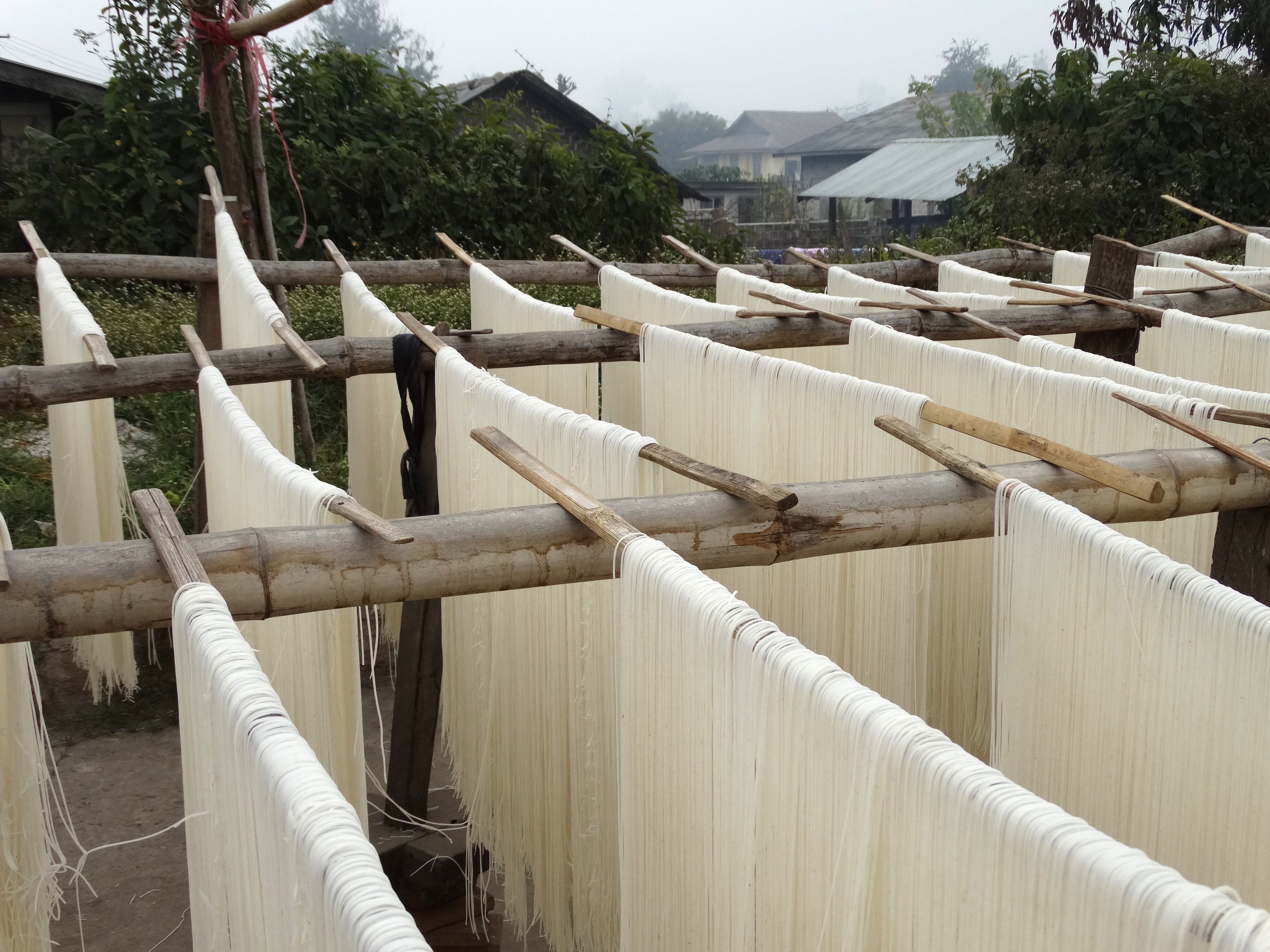
A · Boiling Water Pour-Over (Soak)
For: Vermicelli, flat dried (narrow to medium).
Submerge in a bowl, pour boiling water over to cover. Cover the bowl or drape a towel.
- Vermicelli: 3–5 min. Start checking at 3. Drain the moment it yields to a pinch with no hard center.
- Flat narrow (sen lek, 3mm): 7–10 min. Pull at first pliability — slight resistance still present. It finishes in the dish.
- Flat wide (sen yai, 5–8mm): 12–18 min, may need a second pour of boiling water mid-soak.
Temperature matters: cold-water soak (method C) produces a chewier noodle than hot-water soak. Starch gelatinizes more gradually, less completely.
B · Boil (Direct)
For: Thick dried noodles going into soup; any time you need speed.
Rolling boil in plain unsalted water — rice starch doesn't benefit from salt the way pasta does. Drop noodles in, time from when boil returns.
- Vermicelli: 1–2 min max. Colander ready.
- Flat 3mm: 3–5 min.
- Flat 5–8mm: 5–8 min.
- Add +30 sec at 1600m altitude.
C · Cold Soak (Long Method)
For: Stir-fry applications where you want chewier result; advance prep when you can plan ahead.
Submerge in room-temperature water 30–60 min (vermicelli) or 1–3 hours (flat noodles). Test by pulling a strand and biting — should bend completely without snapping, slight firm core still present.
D · Boil From Cold (the experimental method)
Place dried noodles in a pot with cold water, bring to a boil together.
- Gradual temperature rise: outer starch hydrates gently before full gelatinization is reached.
- Result: marginally more even hydration throughout the noodle, less surface stickiness than direct-boil.
- Timing is harder — you can't count down from boiling because ambient cook starts during ramp-up. Add ~30% to normal boil time and start testing early.
- Mainly useful for very thick noodles or noodle braises (see H below).
E · Just-Off-Boil Pour-Over
For: Vermicelli, thin applications, softest possible result for soup.
Boil water, let it sit 60–90 sec off heat (drops to ~85–90°C), pour over noodles. Soak 5–8 min (vermicelli) or 12–15 min (thin flat). Lower temp = slower starch gelatinization = softer, slightly more translucent result. Less structural integrity. Works for soup where broth is the star and noodle is background.
F · Soak-Only (No Heat)
For: Vermicelli in dishes where heat will follow; advance hydration.
- Room-temp water until pliable (30–60 min for vermicelli).
- Noodle is not fully cooked — still white-ish, slightly stiff but flexible.
- Finish in wok, broth, or by stir-frying directly. The dish does the final cooking.
- Called "living noodle" in some professional contexts — it finishes in the dish and absorbs the dish's flavor rather than sitting atop it.
G · Direct-to-Wok (Fresh Noodles Only)
For: Fresh ho fun, fresh kway teow only.
- Separate noodle sheets gently by hand before they hit the wok. Microwave 30 sec first if cold-stored — loosens, prevents tearing.
- Wok at highest heat, oil smoking.
- Fresh noodles go in last (after protein, aromatics, sauce). 30–60 sec, tossing constantly. The goal is searing (wok hei), not cooking.
- They're already cooked. You're applying heat and flavor, not hydrating starch.
H · Direct-to-Soup (Fresh or Thin Dried)
For: Phở-style assembly or Vietnamese noodle soups.
- Restaurant: portion noodles into a mesh strainer. Dip in rolling boiling water 15–30 sec (thin) or 60–90 sec (wide flat dried). Lift, drain 5 sec, transfer to bowl. Pour broth over immediately.
- Home, dried: quick boil 60%, drain into bowl, pour hot broth to finish.
I · Microwave Shortcut
Not elegant but functional. Microwave-safe bowl, cover with water, high 3–4 min (vermicelli) or 5–7 min (flat). Let rest in water 2 min after. Softer than cold soak, faster than boiling. Fine for spring roll filling or broth applications that will firm them up. Not for stir-fry (too soft).
Wok Technique — Stir-Fry
The Fundamental Rule: Undersoak, Let the Wok Finish
Fully cooked noodles going into the wok will stick, clump, and soften. Solution: soak or cook 70–80% of the way, let the wok do the rest.
Sequence (Pad Thai, drunken noodles, char kway teow)
- Soak noodles (cold or hot) until pliable but still firm-core. Drain, oil lightly if waiting.
- Protein and aromatics in the wok first. Get color.
- Push to the side. Crack eggs if using (see egg — Chinese stir-fried scramble).
- Add noodles. Sauce immediately — liquid prevents sticking, gives steam for final hydration.
- Toss everything over high heat 2–3 min. If sticking: splash of water or more sauce.
- Vegetables and fresh herbs off heat — they carry their own heat enough.
The Wok Hei Question
Rice noodles can carry wok hei (鑊氣) — the smoky char of extreme heat. Char kway teow lives for it. Pad Thai does not — Pad Thai is a gentle dish, noodles shouldn't char, they should coat. Know which dish you're making.
For wok hei: highest heat, small batches (overcrowding drops temp and steams instead of sears), don't stir constantly — let the noodle sit against the pan face 10–15 sec, then toss.
Soup Technique
The Undercook Rule
Noodles going into broth need to be 60–70% done before service. The broth keeps cooking them. The bowl keeps cooking them. The customer's dawdling keeps cooking them. Serve at 100% and they arrive at the table at 120%.
Restaurant: blanch noodles à la minute (method H). Home: cook 60%, drain, bowl, pour very hot broth to finish. Serve immediately.
Broth Absorption
Dried rice noodles absorb liquid as they sit. A bowl that looks right at service can look dry and clumped 10 min later. Options: (a) serve extra broth on the side, (b) serve at higher broth volume, (c) tell people to eat fast. Option (c) is underrated.
Sweet Applications
Rice noodles in sweet contexts are more common globally than people think. They work because the starch base is genuinely neutral — not savory, not sweet, just starchy.
Thai chè · เชื่อม / เช
Sen mee (vermicelli) in coconut milk with palm sugar, pandan, jackfruit, taro. The noodle is a textural element — soft, slightly chewy, taking on coconut sweetness. Cooked directly in coconut milk, not water-soaked first.
Burmese faluda noodles
Thin rice noodles (or rose syrup noodles, same starch logic) in a rose + basil seed + milk drink. Cold, often with shaved ice.
Vietnamese chè bánh lọt
Pandan rice-starch jelly "noodles" in coconut milk and sugar syrup. Extruded pandan gel — same starch family. Technique: rice starch + pandan water + heat, pushed through a perforated mold into cold water. Achievable with tapioca starch as substitute (see tapioca).
Hong Kong cheung fun · 腸粉 · with sweet sauce
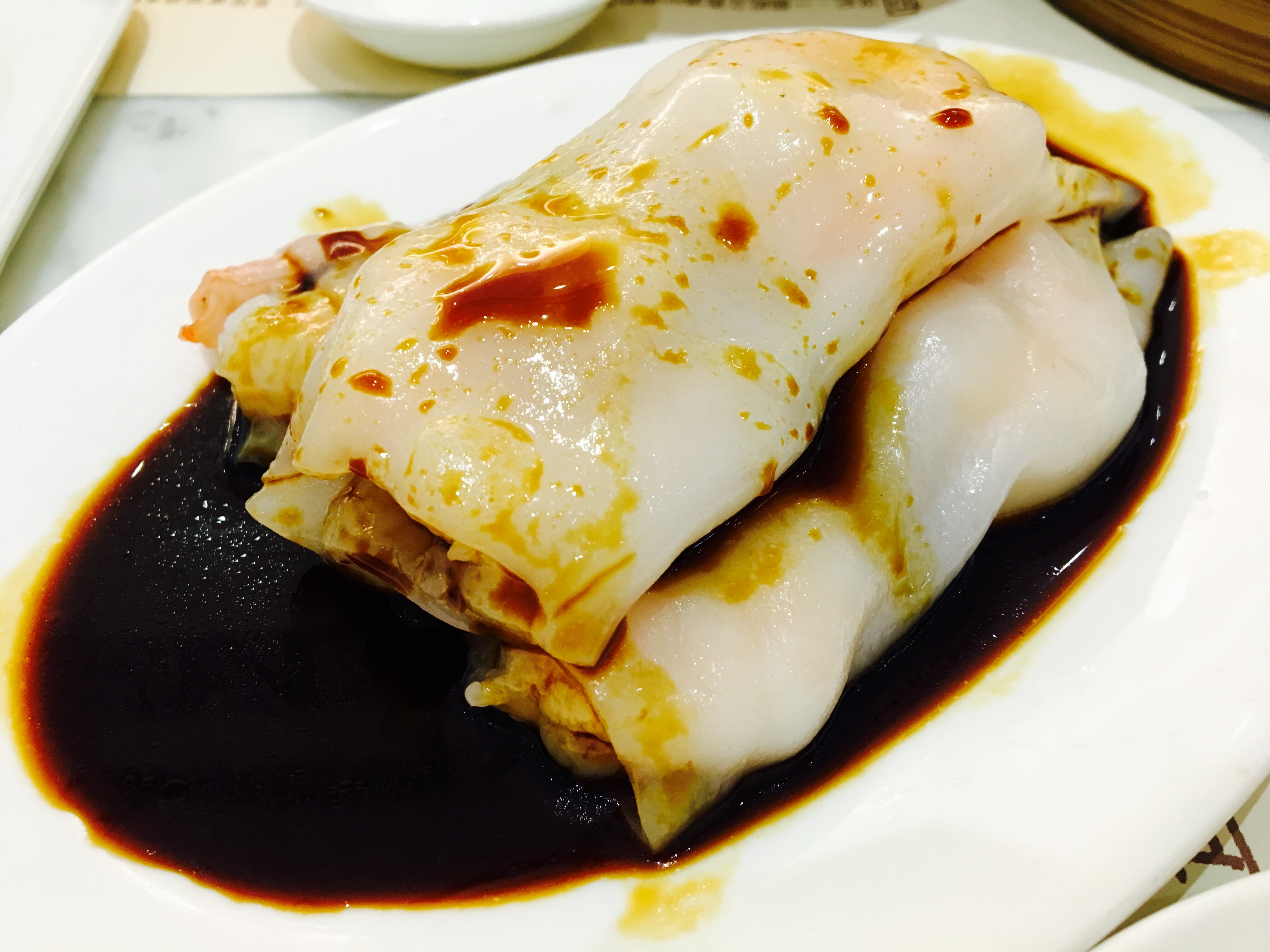
Steamed rice noodle sheets, filled or plain, with hoisin, sesame paste, and sometimes sweet soy. The line between savory and sweet dissolves — it's really neither. A texture vehicle.
The direct move · vermicelli + coconut milk + piloncillo
No recipe required. Hydrate vermicelli, drain, bowl, pour hot coconut milk (unsweetened or lightly sweetened with piloncillo) over. Season with salt — always salt in sweet coconut milk applications, it amplifies sweetness. Optional: fresh mango, toasted sesame. Noodle goes soft, takes on the coconut, becomes Southeast-Asian rice pudding territory. At 1600m with Guatemalan piloncillo and canned coconut milk: entirely doable.
Rescue Techniques
Cross-References with Egg
Pad Thai
Standard Pad Thai cracks eggs directly into the wok, scrambles briefly, then folds soaked noodles into the egg before adding sauce. The egg coats the noodle strands — this is structural, not just flavor. Egg proteins form a light film that prevents noodles from sticking even when the sauce reduces.
Egg drop into rice noodle soup
Raw egg cracked into a bowl of hot broth (Vietnamese bún bò Huế direction) or into the simmering pot (Chinese egg drop). Heat sets egg in threads or ribbons around the noodles. Broth must be near boiling for quick ribbon-set; cooler broth produces raw-ish yolk instead of threads.
Cantonese ho fun with egg
Flat fresh rice noodles stir-fried with egg, Cantonese wok style. Egg goes in first, scrambled 70% done, then ho fun folds in. Egg finishes against the hot noodle surface. Soy + oyster (or vegetarian mushroom sauce). High heat mandatory.
Cheung fun with egg
Steamed rice noodle sheets sometimes have an egg cracked onto them during the last 30 sec of steaming, where it sets soft — cheung fun rolls around it. Dim sum technique.
Sourcing at Atitlán
From Berzio F10 and ingredient compendium (#12):
- Any variety: Panajachel supermarkets occasionally. San Pedro has some. Not reliably in San Marcos or San Pablo — plan GC or Pana runs.
- GC Asian stores: full range — sen mee, sen lek, sen yai, bánh phở, rice paper, fresh-ish ho fun. Chinese grocery district (Zone 1) widest selection. Panamarket Xela sometimes basics.
- Storage: dried rice noodles keep indefinitely in sealed bag. No refrigeration. Buy ahead when in GC.
Key Numbers
| Type | Soak method | Hot soak | Cold soak | Direct boil | Altitude + |
|---|---|---|---|---|---|
| Vermicelli (1–2mm) | Pour-over or soak | 3–5 min | 30–60 min | 1–2 min | +30 s |
| Flat narrow / sen lek (3mm) | Pour-over | 7–10 min | 60–90 min | 3–5 min | +30 s |
| Flat wide / sen yai (5–8mm) | Pour-over (may need refresh) | 12–18 min | 2–3 hr | 5–8 min | +30 s |
| Fresh ho fun | None | n/a — heat only | n/a | Never boil | μW 30 s to loosen |
Evolution Log
- v0.1 · 2026-05-12 — Initial build. All hydration methods, four noodle types, wok technique, soup technique, sweet applications, egg cross-ref, rescue, sourcing, key numbers. Built from F10 (Berzio) and fresh research.